
The Faculty of Agriculture, Gadjah Mada University (Faperta UGM) held a Program Plan Presentation for Prospective Dean Candidates for the 2026–2031 Period at the Prof. Harjono Danoesastro Auditorium and online via Zoom Meeting on Wednesday, July 29, 2026. This event provided a space for prospective dean candidates to convey their vision, mission, and work programs that will be the direction of faculty development for the next five years.
- Prof. Subejo, S.P., M.Sc., Ph.D.

Carrying the theme Loading Global Faculty for Sustainable Agrifood, Fisheries, and Rural Transformation, Prof. Subejo emphasized five main transformations, namely: Education, Research, Community Service, Innovation Downstreaming, and Governance. Strategic targets include world-class education, globally reputable research and innovation, downstreaming and commercialization of innovation, empowering impactful communities, strengthening national and international networks, green campus and circular bioeconomy, modern digital-based governance, and human resource welfare and development.
- Prof. Dr. Rudi Hari Murti, S.P., M.P.

With the theme Faculty Impact Accelerator: Smart Regenerative Bioproduction, Prof. Rudi Hari Murti emphasized the integration of plant science, soil science, microbiology, crop protection, agricultural socioeconomics, digital technology, biotechnology, fisheries, natural resource management, and community institutions. Expected outcomes include graduates with future competencies, research that generates solutions and policies, community service that produces technology adopted by the community, the faculty’s international reputation, and transparent, digital, and prosperous governance.
- Prof. Suadi, S.Pi., M.Agr.Sc., Ph.D.
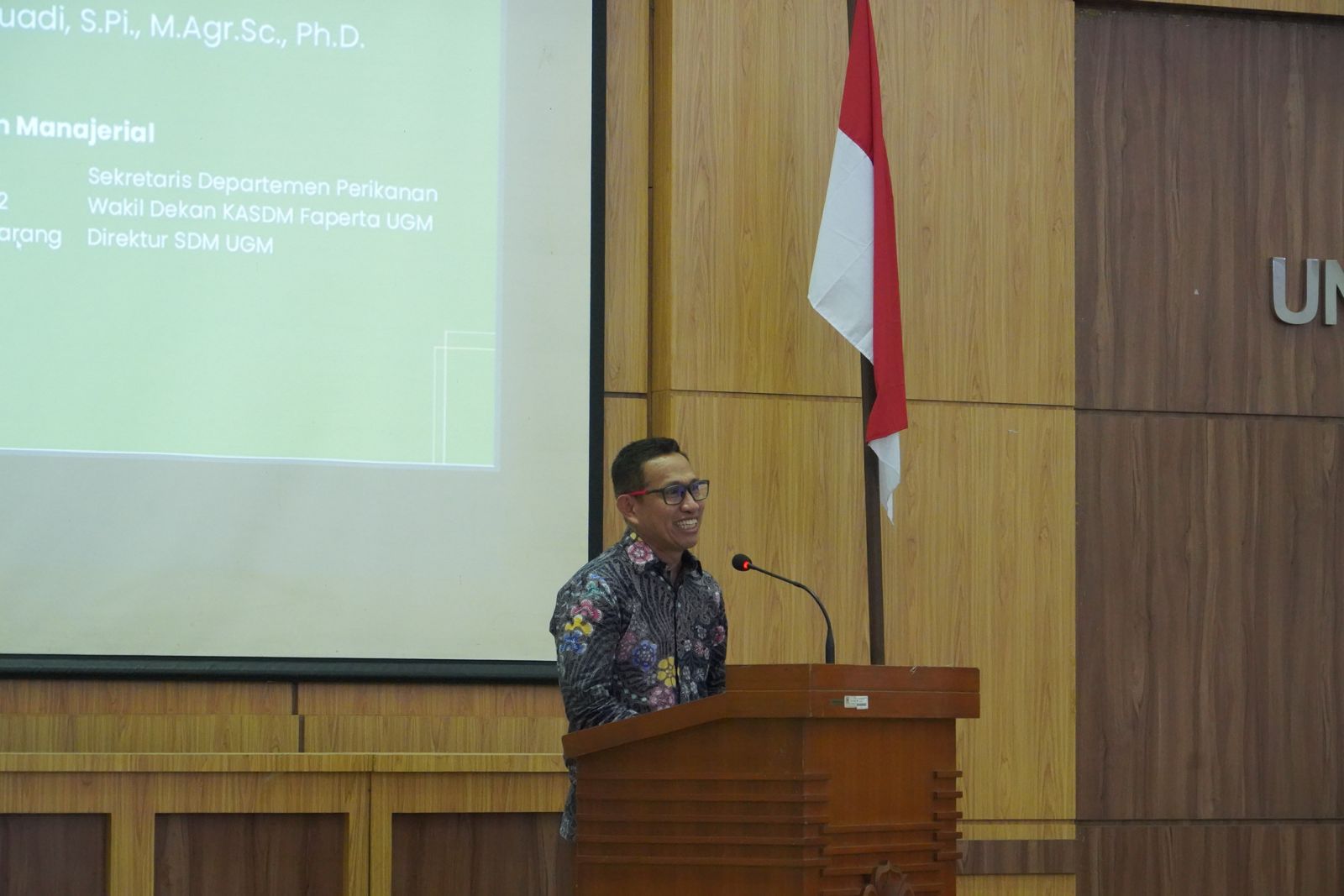
With the theme of Preparing Successful Students, Supporting Food Sovereignty, Empowering Communities, and Accelerating Governance Transformation, Prof. Suadi emphasized the collaborative performance of the Tridharma (Three Pillars of Excellence). His focus includes educating and teaching successful students, impactful research, community service, and sound, accountable, and high-performance human resource, financial, and infrastructure governance.
- Dr. Dyah Weny Respatie, S.P., M.Si.

With the theme of Regenerative Education Excellence: Strengthening Agricultural and Fisheries Education as Core Business Towards an Impactful Faculty of Agriculture UGM, Dr. Dyah Weny Respatie offers four strategic pillars: Regenerative Smart Education, Smart Research, Smart Community Service, and Smart Governance & Wellbeing. Leadership commitments include collegial-participatory leadership, sustainability, budget transparency, meritocracy, welfare, and academic leadership regeneration.
- Prof. Ir. Jaka Widada, M.P., Ph.D.

Carrying the theme of Increasing the Benefit of the Faculty of Agriculture UGM for the Entire Indonesian Nation through an Advanced Research Ecosystem and Leaps of Prosperity, Prof. Jaka Widada focuses research development on four pillars of advanced research: plant and fisheries biotechnology, smart farming and IoT, functional food, and regenerative environmental improvement. The strategic targets are realized through nine main action pillars, including building a thinking and serving ecosystem, expanding industrial partnerships, increasing governance accountability, reforming the modern agriculture/fisheries curriculum, and strengthening the synergy of lecturers and education staff.
The program presentation formed an integral part of the dean selection process while demonstrating the Faculty of Agriculture UGM’s commitment to advancing the Sustainable Development Goals (SDGs). The proposed strategic programs contribute to SDG 2: Zero Hunger by strengthening sustainable agrifood systems; SDG 3: Good Health and Well-being through the development of functional foods and healthier agricultural systems; SDG 4: Quality Education by enhancing educational quality and academic excellence; SDG 8: Decent Work and Economic Growth through human resource development and innovation-driven economic opportunities; SDG 9: Industry, Innovation and Infrastructure by promoting research, technology, and digital transformation; SDG 12: Responsible Consumption and Production through sustainable resource management and circular bioeconomy initiatives; SDG 13: Climate Action by supporting regenerative agriculture and environmental sustainability; SDG 16: Peace, Justice and Strong Institutions through transparent, accountable, and participatory governance; and SDG 17: Partnerships for the Goals by strengthening collaboration with national and international partners to advance education, research, and community engagement.
Author: Beny Nabila Happy Fauziah
Editor: Tantriani
Documentation: Media Unit of Faperta UGM