
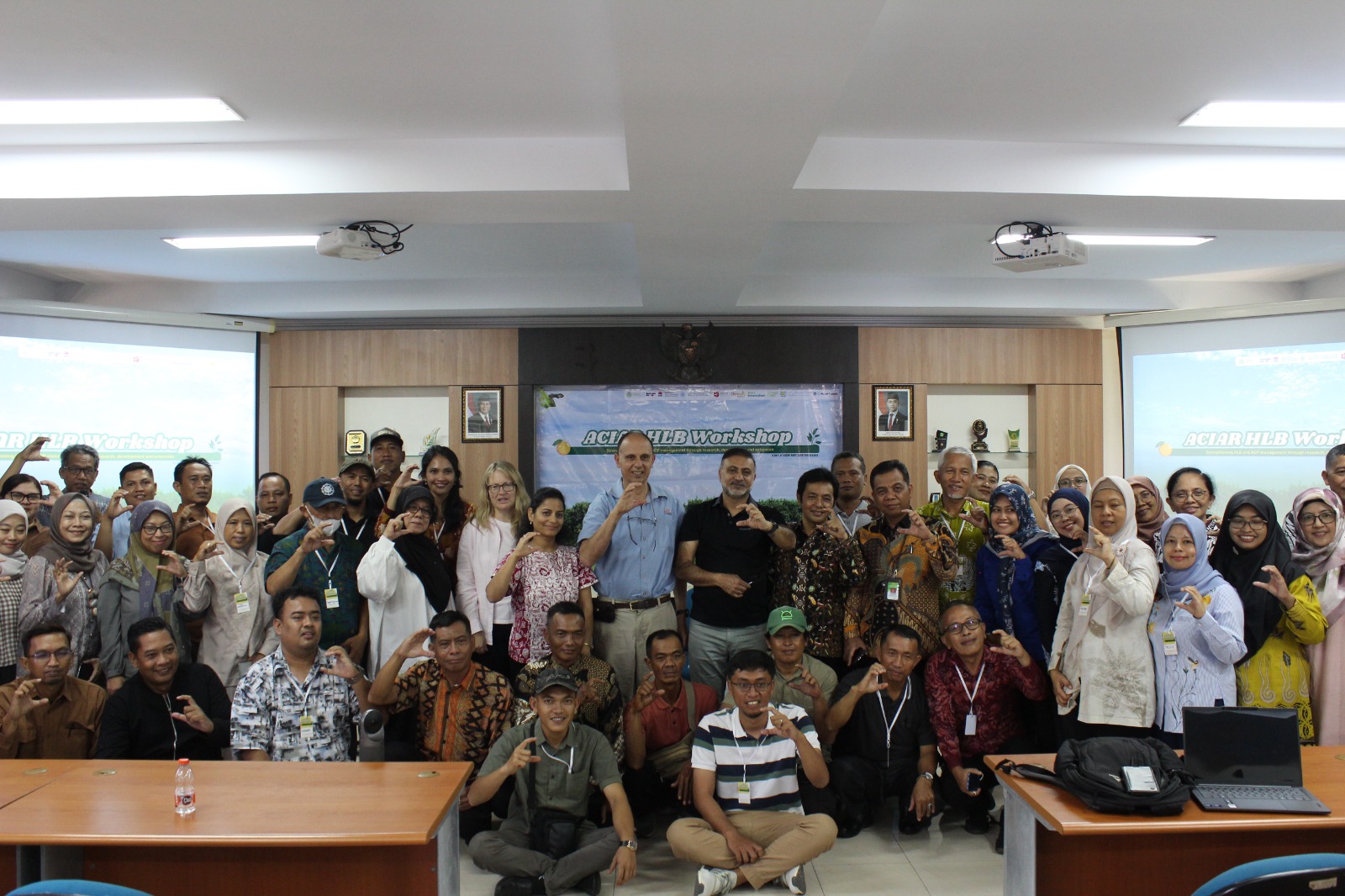
The second day of the Workshop on Preparedness and Management of Huanglongbing (HLB), organized by the Faculty of Agriculture UGM in collaboration with the Australian Centre for International Agricultural Research (ACIAR), was held at PIAT UGM, Berbah, Yogyakarta, on Tuesday, April 21, 2026. The first session presented a series of materials highlighting extension policies, agricultural human resource development strategies, and best management practices to support the sustainability of the citrus industry.
The event began with a recap of the first day by ACIAR representatives, followed by a presentation from Dr. Muhamad Amin as the Director of the Center for Agricultural Education. She emphasized the importance of extension policies and future agricultural HR development strategies to support the resilience of citrus production in Indonesia. According to her, increasing the capacity of extension workers and farmers is key to facing the threat of HLB disease.
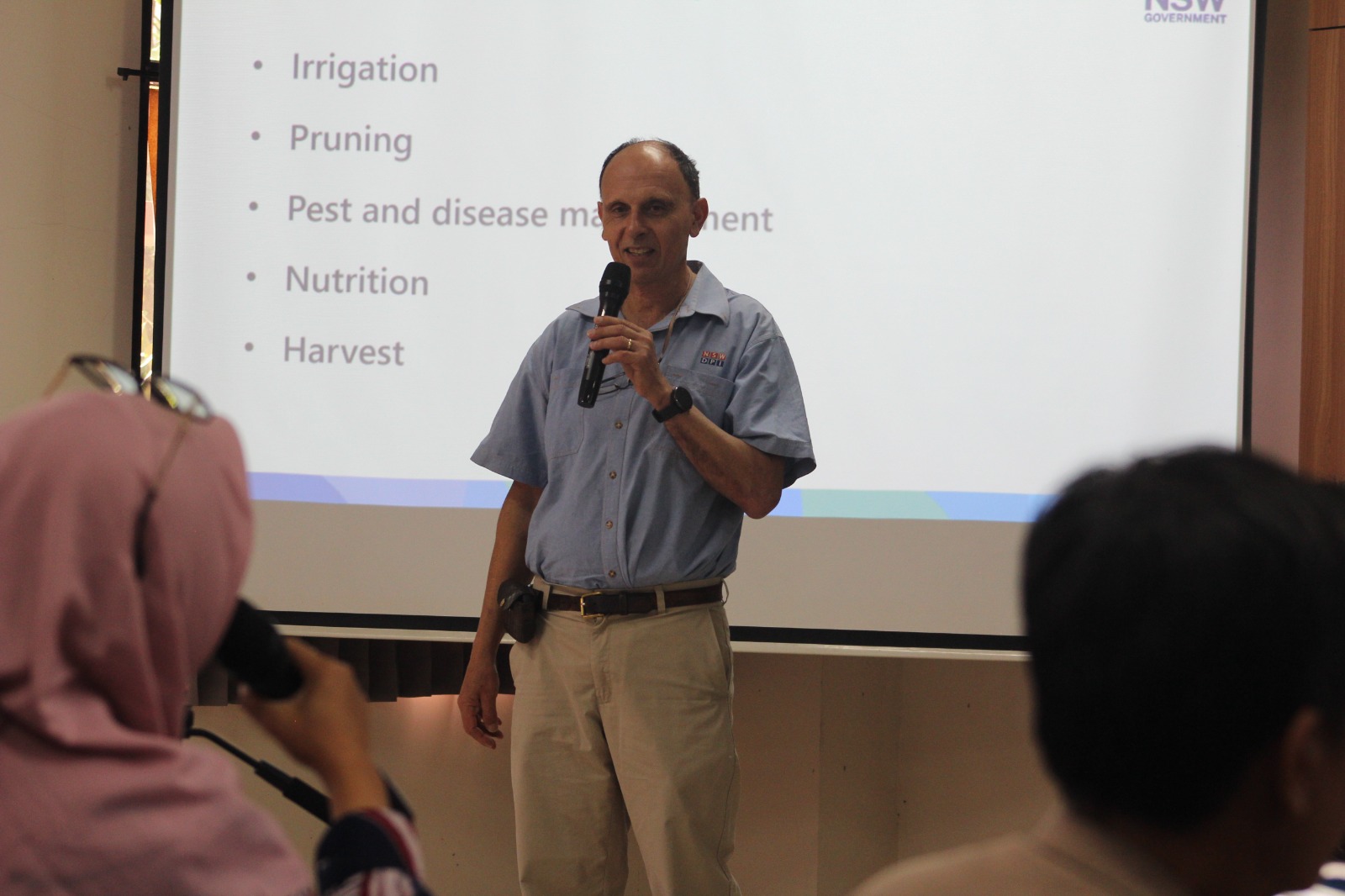
Furthermore, Steven Falivene from NSW DPIRD (Australia) shared best management practices from Australia. He explained horticultural production systems covering plant spacing, mechanization, fruit quality, nutrition, and irrigation. These practices are considered relevant for adaptation in the Indonesian context to increase productivity while maintaining sustainability.
Regarding pest control, Prof. Ir. Y. Andi Trisyono, M.Sc., Ph.D. (Faculty of Agriculture UGM), presented experiences from a mango project related to fruit fly management. This strategy could serve as an important reference in facing vector insect threats in citrus crops. The session then continued with a demonstration of post-harvest added value by Imro’ah Ikarini, S.TP., M.P., from the National Research and Innovation Agency (BRIN), showcasing innovations in agricultural product processing to enhance product competitiveness.
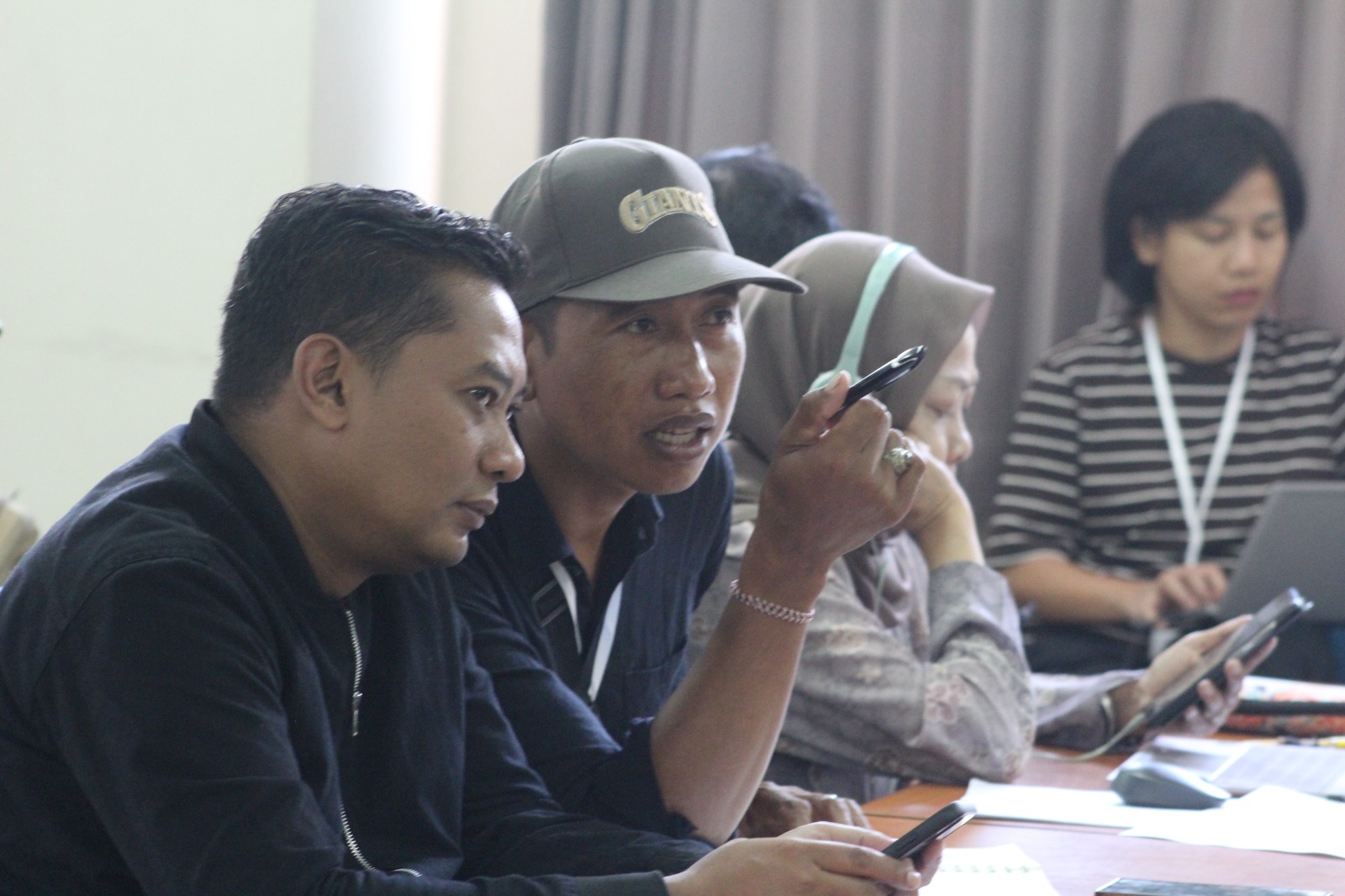
Panel discussions and Q&A sessions concluded the first series of sessions, strengthening interactions between speakers and participants in formulating real solutions for sustainable citrus farming management in Indonesia.
This activity supports the achievement of several sustainable development goals, including SDG 2: Zero hunger, SDG 4: Quality education, SDG 8: Decent work and economic growth, SDG 9: Industry, innovation and infrastructure, SDG 12: Responsible consumption and production, SDG 15: Life on land, and SDG 17: Partnerships for the goals.
Writer: Beny Nabila Happy Fauziah
Editor: Tantriani
Documentation: ACIAR Team