
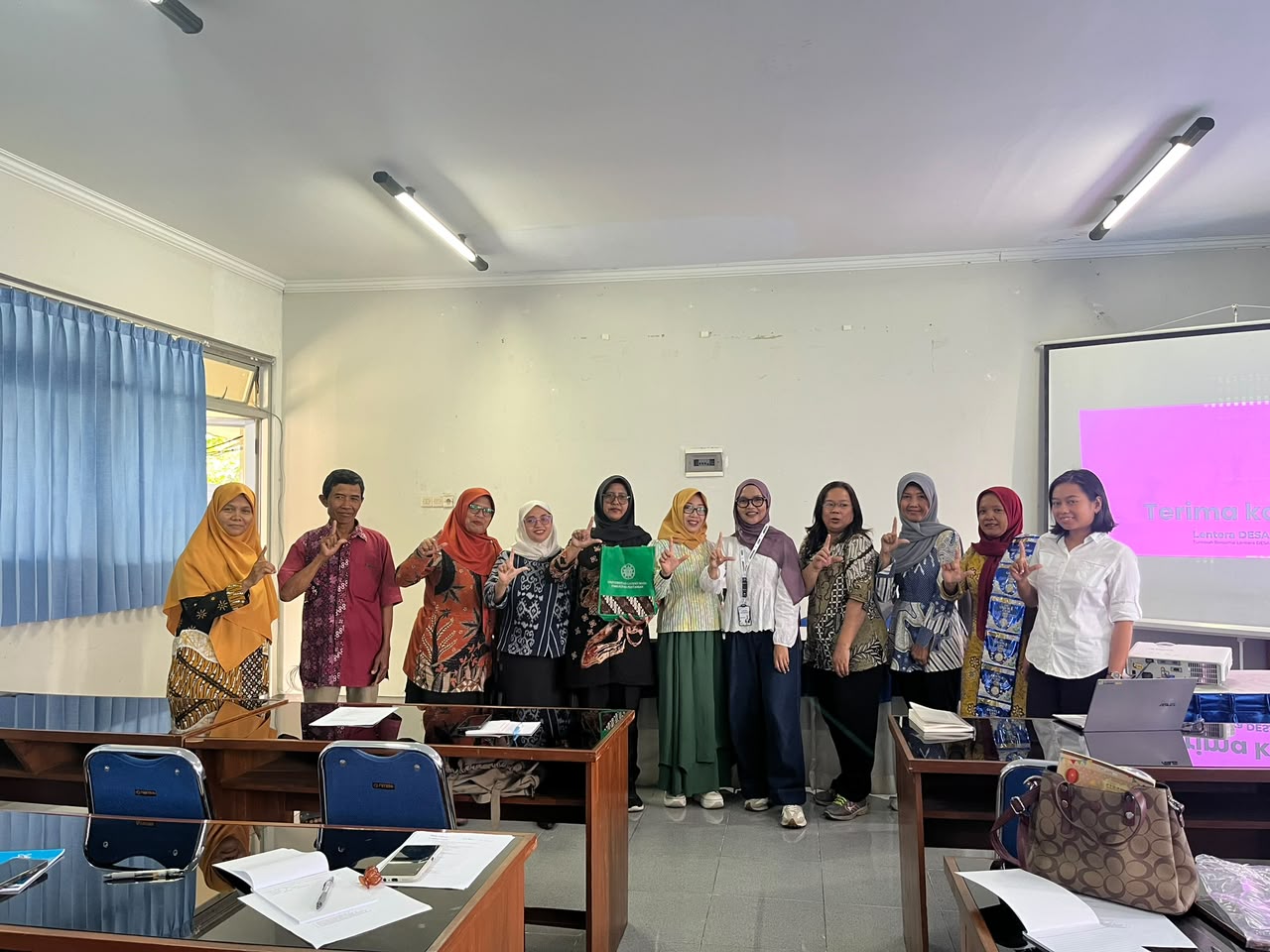
As a manifestation of the Higher Education Tridharma, particularly in the pillars of community service and the provision of continuous education, Lentera DESA from the Faculty of Agriculture, Universitas Gadjah Mada (Faperta UGM), served as a facilitator in the Hydroponic Technology-Based Agricultural Agribusiness Training. This training, organized by the UPTD Agricultural Human Resource Development Center (BPSDMP) of the Department of Agriculture and Food Security of DIY, was held on September 7, 2026, at UPTD Balai PSDMP DIY.
During the opening session on the first day, Monday (7/9), the Lentera DESA team presented material titled “Farmer Group Dynamics & Institutional Strengthening of Farmer Groups.” This topic aimed to equip farmers with organizational readiness, team cohesion, and an adaptive mindset before receiving technical training in hydroponic cultivation. The classroom session was delivered through an interactive learning framework utilizing digital platforms, real case studies (such as digital supply chain shortening innovations), and various participatory group games.
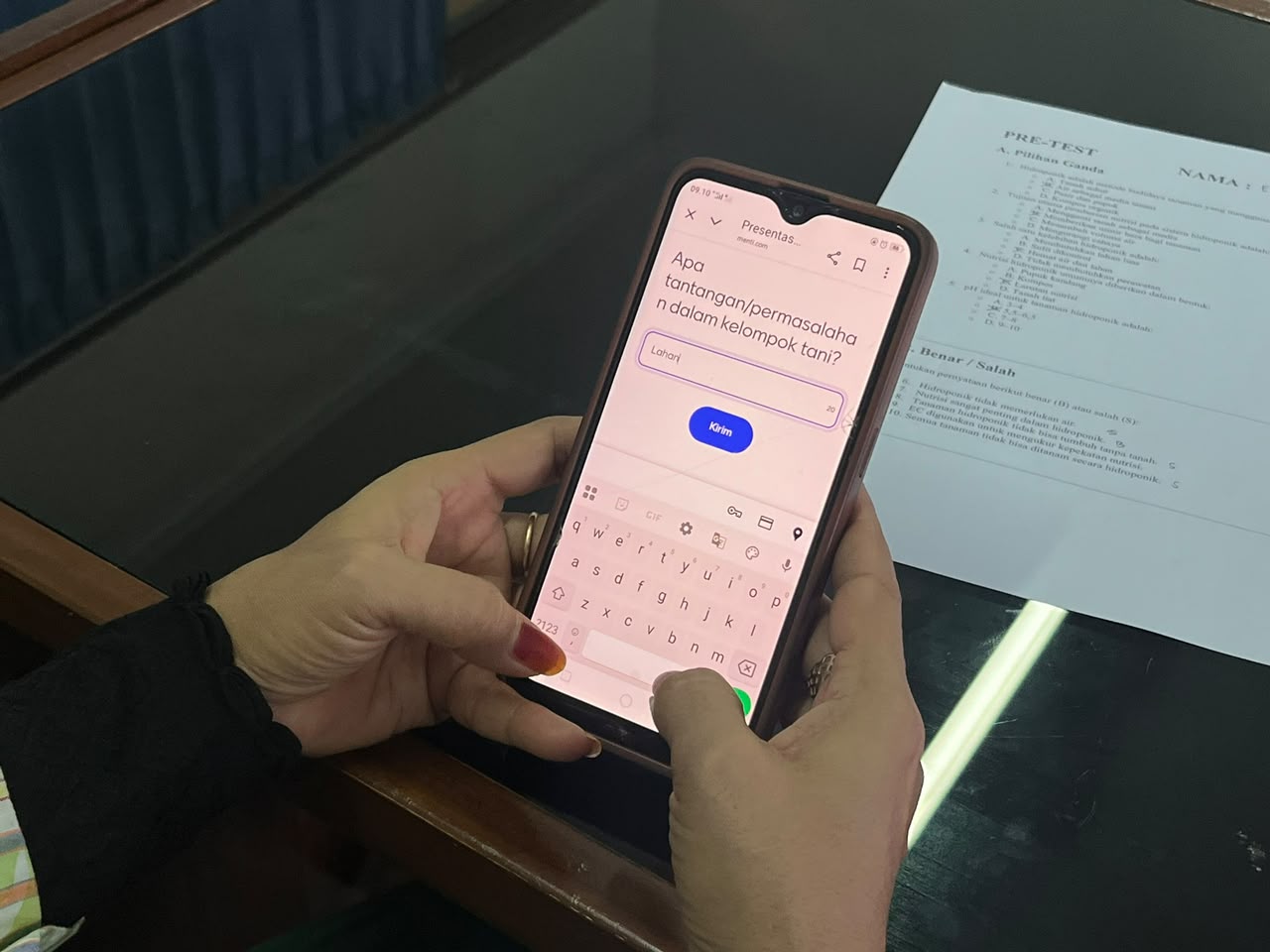
Through communicatively designed ice-breaking sessions and games, participants were encouraged to map internal group challenges directly and discuss the transformation of farmer groups toward three strategic functions: learning classes, cooperation platforms, and production units. This lively and engaging learning approach sparked high motivation among participants, allowing insights into the importance of digital collaboration and group solidarity to be absorbed optimally.
Lentera DESA’s active involvement in the training underscores Faperta UGM’s commitment to supporting rural communities through the transfer of applicable knowledge, accelerating the adoption of environmentally friendly agricultural technologies, and strengthening local farmer institutions. More specifically, this activity contributes to the achievement of the Sustainable Development Goals (SDGs), particularly SDG 2: Zero Hunger, through strengthening farmers’ capacity to apply hydroponic technology to support productive, efficient, and adaptive food production; SDG 4: Quality Education, through the provision of non-formal education and lifelong learning opportunities using participatory, inclusive, and interactive training methods for farmers; SDG 8: Decent Work and Economic Growth, through strengthening farmer institutions and technology-based agribusiness skills that can enhance productivity, create business opportunities, and contribute to rural economic development; SDG 9: Industry, Innovation and Infrastructure, through the introduction of hydroponic innovations and the use of digital platforms to support learning and agribusiness development; SDG 12: Responsible Consumption and Production, through promoting agricultural production systems that are land-efficient, optimize the use of water and nutrients, and have the potential to reduce environmental impacts; and SDG 17: Partnerships for the Goals, through collaboration among higher education institutions, local government, and farmer groups to strengthen community capacity and support sustainable agricultural development and food self-sufficiency.
Writer: Rani Nur Rochim
Editor: Tantriani
Documentation: Lentera DESA Team