
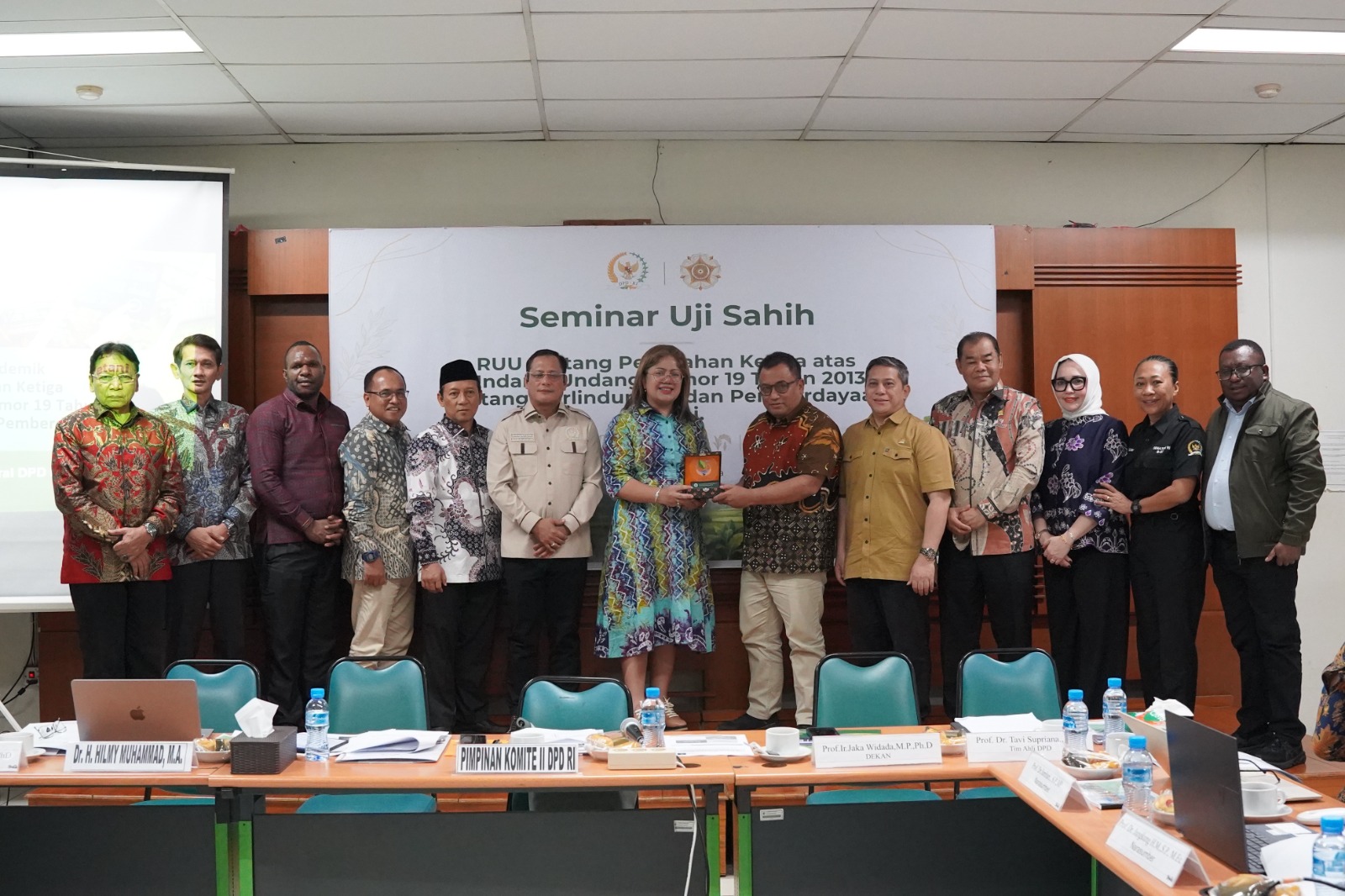
The Faculty of Agriculture, Gadjah Mada University (Faperta UGM) hosted a Seminar on the Validity Test of the Draft Law on the Third Amendment to Law Number 19 of 2013 concerning the Protection and Empowerment of Farmers, organized by Committee II of the Regional Representative Council of the Republic of Indonesia (DPD RI) on Tuesday, June 23, 2026 in the Seminar Room, Building A1, 3rd Floor. This activity was also attended by the Deputy Chair of Committee II of the DPD RI A. Abd. Waris Halid, S.S., M.M., members of Committee II, academics, practitioners, students, and farmer representatives.
The activity was opened by Prof. Ir. Jaka Widada, M.P., Ph.D., Dean of the Faculty of Agriculture, Gadjah Mada University. In his remarks, he emphasized the importance of the validity test process as a manifestation of the DPD RI’s commitment to drafting bills that are responsive to the challenges of the national agricultural sector. The Chairperson of Committee II of the DPD RI, Dr. Badikenita BR Sitepu, S.E., S.H., M.Si., emphasized that this activity is part of the DPD RI’s legislative function as well as an effort to ensure that draft laws are prepared based on empirical data, academic studies, and the real needs of farmers in the regions.
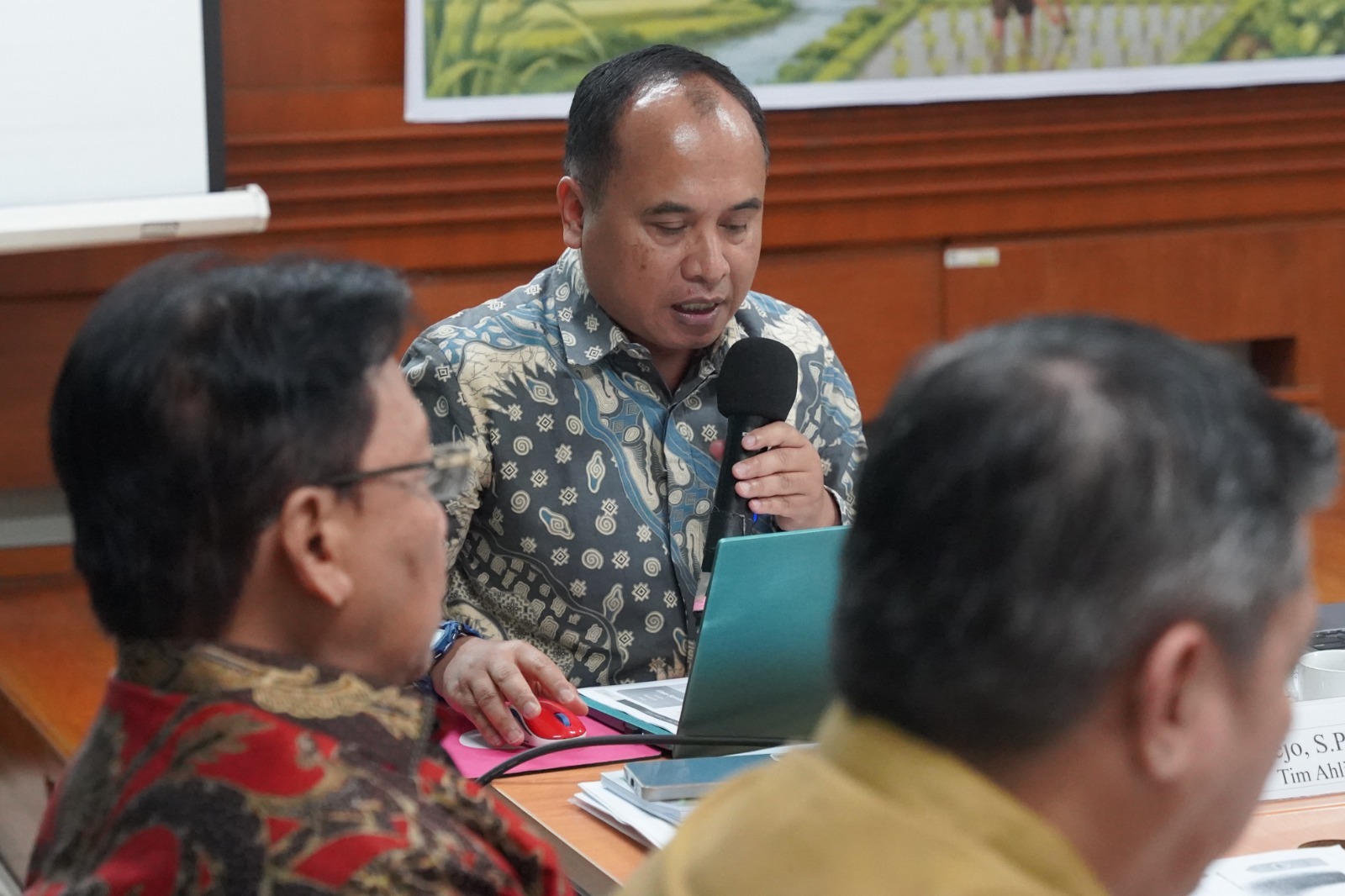
The expert team drafting the bill, Prof. Subejo, S.P., M.Sc., Ph.D. and Prof. Dr. Tavi Supriana, M.Sc., presented the main points of the academic paper aimed at strengthening the balance between agricultural land security and farmer welfare. The urgency of change includes issues of regeneration and quality of human resources, inequality in land ownership and conversion, and limited farmer access to production facilities and financing. The bill also emphasizes the need for social security, minimum floor prices, extension services, agricultural digitalization, market access, farmer institutions, and support for young farmers.
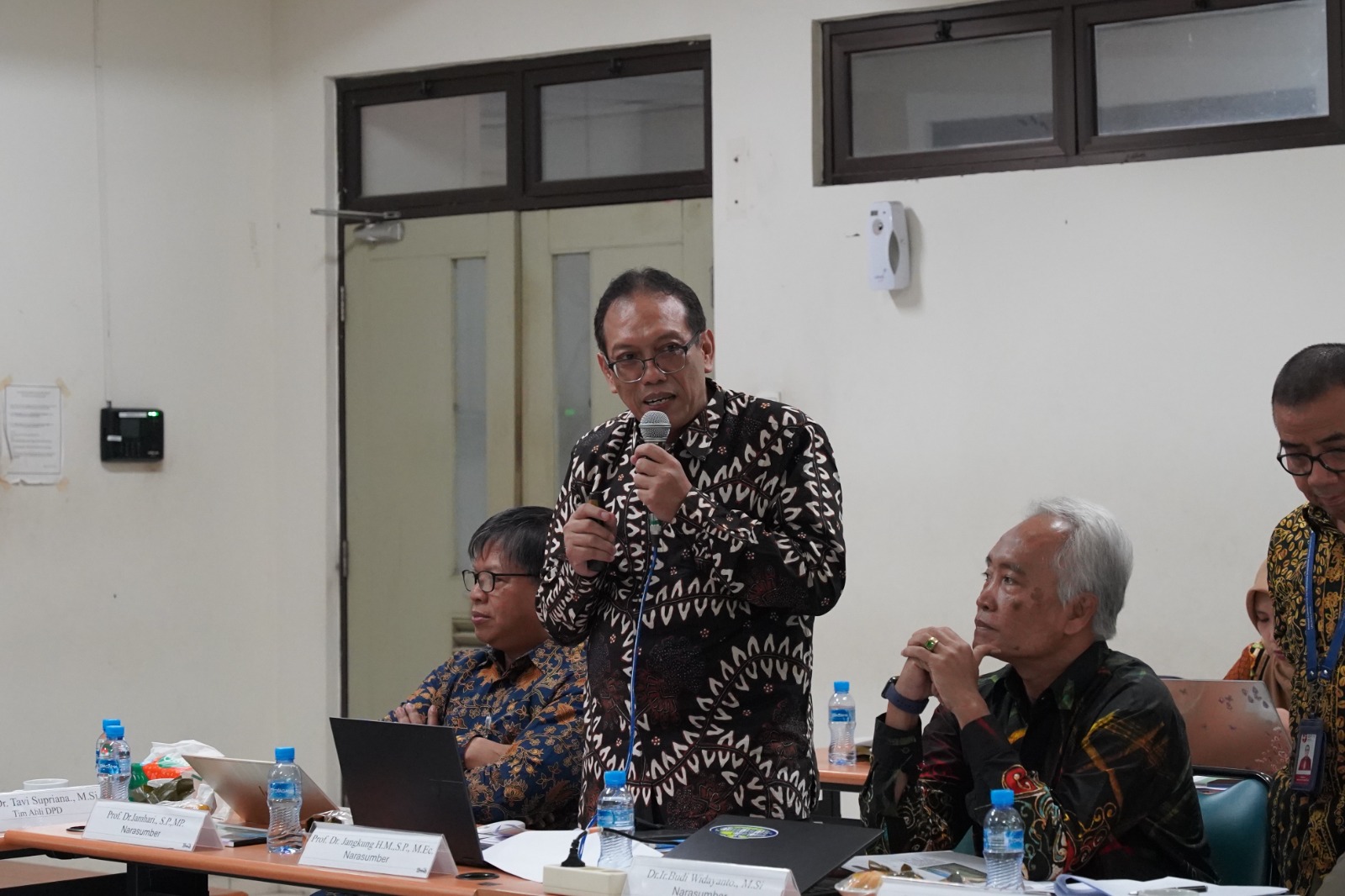
During the seminar, several academics presented critical views. Prof. Dr. Jangkung Handoyo Mulyo, M.Ec. emphasized the need for protection focused on land access, prices, capital, production facilities, insurance, and support for small farmers. Prof. Dr. Erizal Jamal, M.Si. highlighted gaps in the implementation of laws and the importance of positioning farmers as subjects of development through strengthening economic organizations. Meanwhile, Dr. Ir. Budi Widayanto, M.Si. emphasized the protection of rights, strengthening institutions, and empowerment that takes into account economic, social, political vulnerabilities, and local wisdom.
Another perspective was expressed by Prof. Dr. Jamhari, S.P., M.P., who advocated a paradigm shift from aid-based policies to incentive-based policies. He argued that farmers should be viewed as both food providers and guardians of rural environmental sustainability. Patrik, a representative of millennial farmers, also proposed strengthening rights to water and fertile land, expanding insurance, ensuring post-harvest prices, controlling imports, and protecting soil quality.
In the closing session, the Chairperson of Committee II of the DPD RI, Dr. Badikenita BR Sitepu, emphasized that input from academics, practitioners, students, and farmers would be used to refine the bill to make it more implementable, equitable, and responsive to regional needs.
This event contributes to the achievement of several Sustainable Development Goals (SDGs), particularly SDG 1: No Poverty, by promoting policies that improve farmers’ livelihoods; SDG 2: Zero Hunger, by strengthening food security and sustainable agricultural systems; SDG 8: Decent Work and Economic Growth, through the protection and empowerment of farmers’ livelihoods; SDG 10: Reduced Inequalities, by improving farmers’ access to land, financing, and social protection; SDG 12: Responsible Consumption and Production, by supporting sustainable agricultural practices; SDG 16: Peace, Justice and Strong Institutions, through the development of evidence-based, participatory, and equitable legislation; and SDG 17: Partnerships for the Goals, by fostering collaboration among government, academia, practitioners, and farming communities in shaping public policy.
Author: Beny Nabila Happy Fauziah
Editor: Tantriani
Documentation: Media Unit of Faperta UGM