
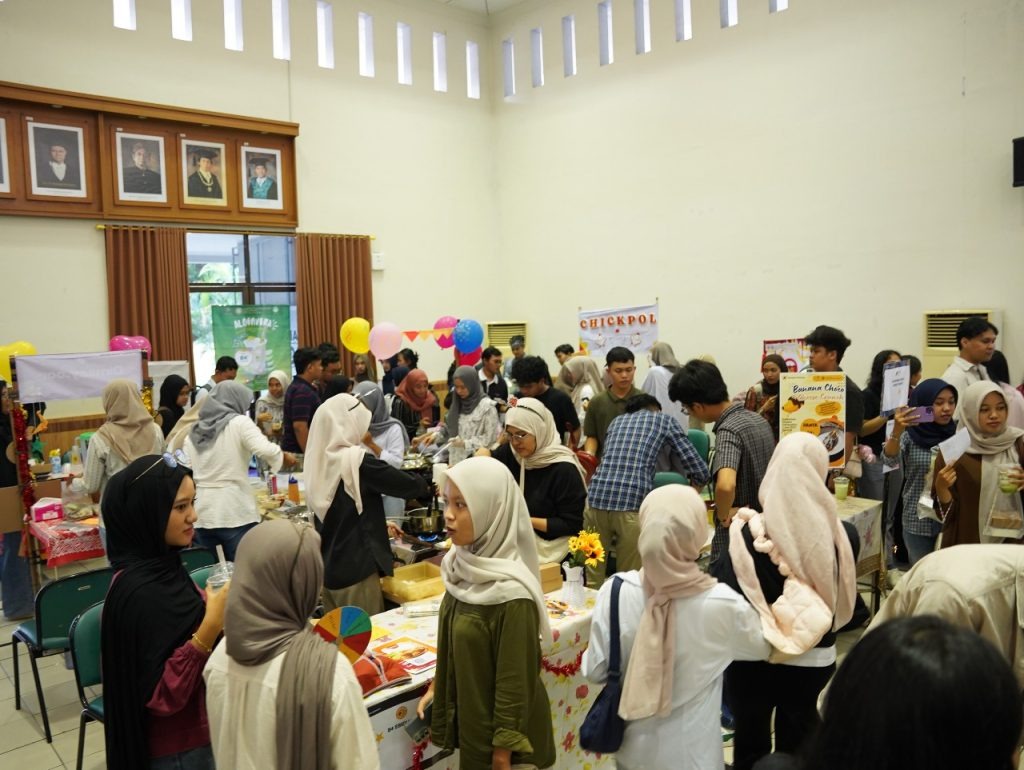
On Monday, 2 June, 2025, the Faculty of Agriculture, Universitas Gadjah Mada (Faperta UGM), once again held the Entrepreneurship Expo at the Prof. Harjono Danoesastro Auditorium, Faperta UGM. The 2025 Entrepreneurship Expo marked the second year of the event, which is part of the Entrepreneurship course practicum initiated by the lecturers and assistants of the Agricultural Economics and Agribusiness Study Program (EPA). This year’s Expo became a platform for students to present their creativity and innovations in the food and beverage (FnB) business. Compared to last year, a greater variety of food and beverage products became the new highlight of the 2025 Entrepreneurship Expo.
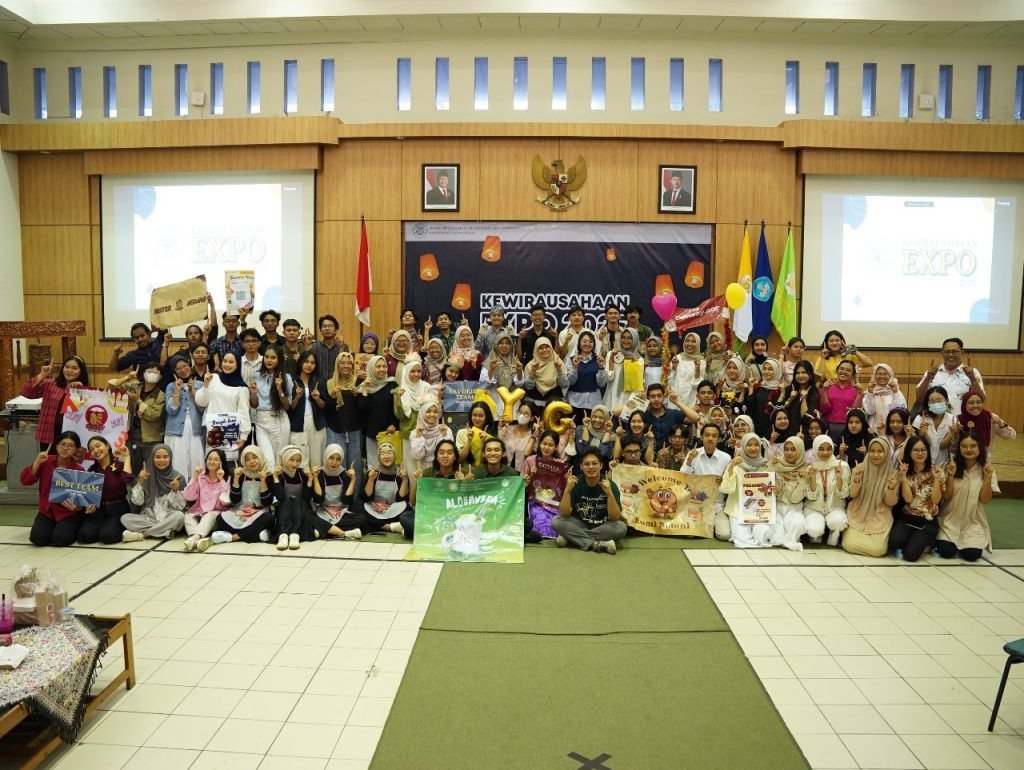
The main goal of organizing this Entrepreneurship Expo is to implement various business ideas designed by students in the form of business model canvases and business plans they have developed during the practicum sessions. The Expo is designed as a space for students not only to understand the theories of entrepreneurship learned in lectures but also to directly apply them in real-life practice. By participating in this activity, students are expected to gain valuable experience in designing, preparing, and presenting a complete business concept. In addition, the event also aims to foster confidence, enhance creativity, and sharpen communication and teamwork skills—competencies that are crucial in the entrepreneurial world.
“We hope the 2025 Entrepreneurship Expo can ignite students’ enthusiasm to keep innovating, create new business opportunities, and nurture an entrepreneurial spirit that is resilient, independent, and ready to face challenges in the business world—especially through digital marketing initiatives that the students have carried out. All the food and beverage products offered are downstream products of agriculture, so we hope that more students will become entrepreneurs, particularly in the agricultural sector,” said Dr. Hani Perwitasari, S.P., M.Sc., EPA lecturer.
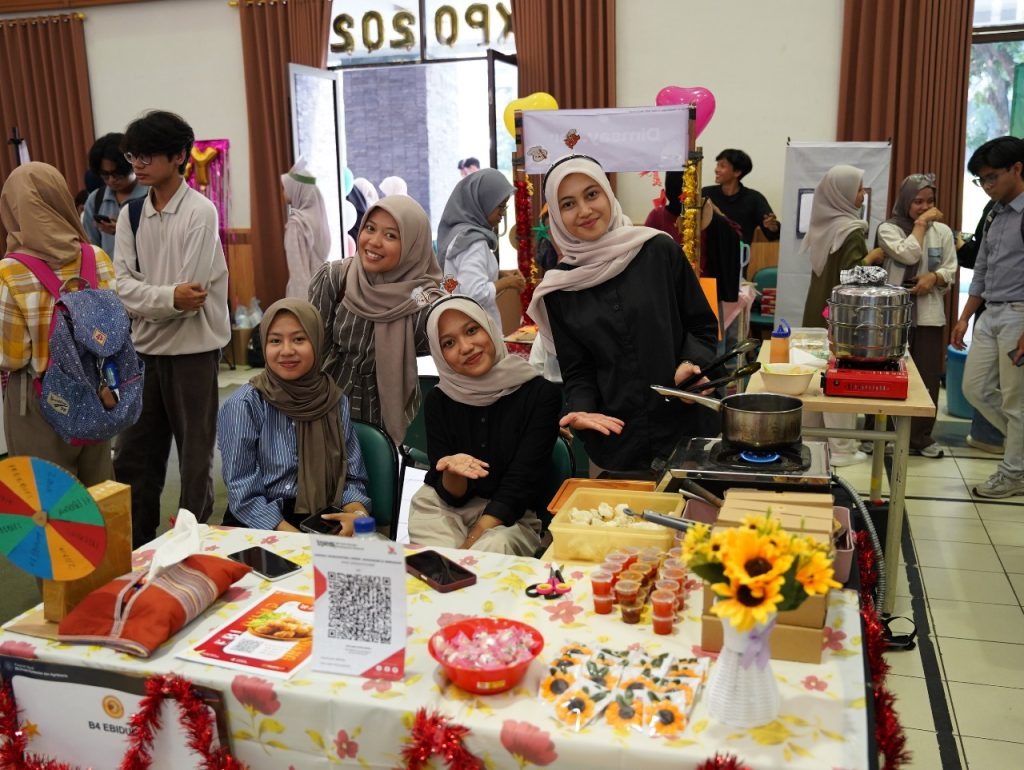
The agricultural downstream concept was reflected in the food and beverages presented at the 2025 Entrepreneurship Expo. All of the products sold at this event were made from fruits and vegetables, which are downstream agricultural products. One booth, for example, sold vegetable dim sum.
“This vegetable dim sum is an innovation from the usual meat-based dim sum, which we combined with vegetables as an agricultural downstream product. This event has had a big impact on us as it trained our entrepreneurial spirit—from planning and preparation to promotion and negotiation, which are closely related to what we study as EPA students,” explained one student.
Not only did the event serve as a platform for learning and business development for students, but it also reflected Faperta UGM’s efforts and commitment to supporting the Sustainable Development Goals (SDGs), including SDG 1: No Poverty, SDG 2: Zero Hunger, SDG 4: Quality Education, SDG 8: Decent Work and Economic Growth, and SDG 9: Industry, Innovation, and Infrastructure.
Authors: Melvinna Rafida and Muhamad Fathan Mubina
Editor : Desi Utami