

Students from the Faculty of Agriculture, Universitas Gadjah Mada (Faperta UGM), who are part of the Kuliah Kerja Nyata–Pembelajaran dan Pemberdayaan Masyarakat (KKN–PPM) Period II 2025 Saga Mandar team, along with Field Supervisor Arom Figyantika, S.Hut., M.Sc., Ph.D., successfully implemented a community service program titled “Si Padi & Si Kelapa: Optimizing Rice Farming Productivity through Silica Fertilizer Production and Utilizing Coconut Fiber Waste into Dishwashing Sponges” in Katumbangan Lemo Village, Campalagian Subdistrict, Polewali Mandar Regency, West Sulawesi.
Held from 31 July to 2 August 2025, the program took place at the P4S Sipatuo Secretariat in Sengkae Hamlet, in close collaboration with P4S Sipatuo, supported by the Katumbangan Lemo Agricultural Extension Center (PPL), and actively participated in by local community members, especially women farmers’ groups (KWT) and local farmer associations.
Khairani Nabilah, a student from the Agricultural Extension and Communication Study Program (PKP Faperta UGM) and the program initiator, explained that the initiative aimed to enhance rice productivity through the use of fermented silica fertilizer made from cement. This low-cost and effective fertilizer helps strengthen rice plants, reduces damage from pests and extreme weather, and supports sustainable yield improvement. The program also highlighted the potential of abundant coconut fiber waste in the region to be processed into eco-friendly, economically valuable dishwashing sponges.

The program began with an outreach session targeting local farmers. Katumbangan Lemo is known for its expansive rice fields, making pest infestations or climate shifts highly impactful to the community. Collaboration with P4S Sipatuo equipped with training facilities and active farmer groups was key to the project’s success. During the outreach, Khairani led a live demonstration on producing simple silica fertilizer using only type 1 cement and water, fermented for two days. The interactive discussion explored its agricultural benefits and nutrient content to optimize rice growth.
In parallel, a workshop on dishwashing sponge production from coconut fiber was conducted by Josephine Carla, a student from the Agronomy Study Program. Given that coconut fiber is often underutilized, this workshop tapped into local agro-industrial potential as a means of economic diversification and community empowerment.
“We call this cross-sector agricultural collaboration ‘Exploring Local Potential for Sustainable Agriculture and Entrepreneurship,’ aiming to create synergy between boosting agricultural productivity and generating new business opportunities based on available natural resources,” Khairani said.
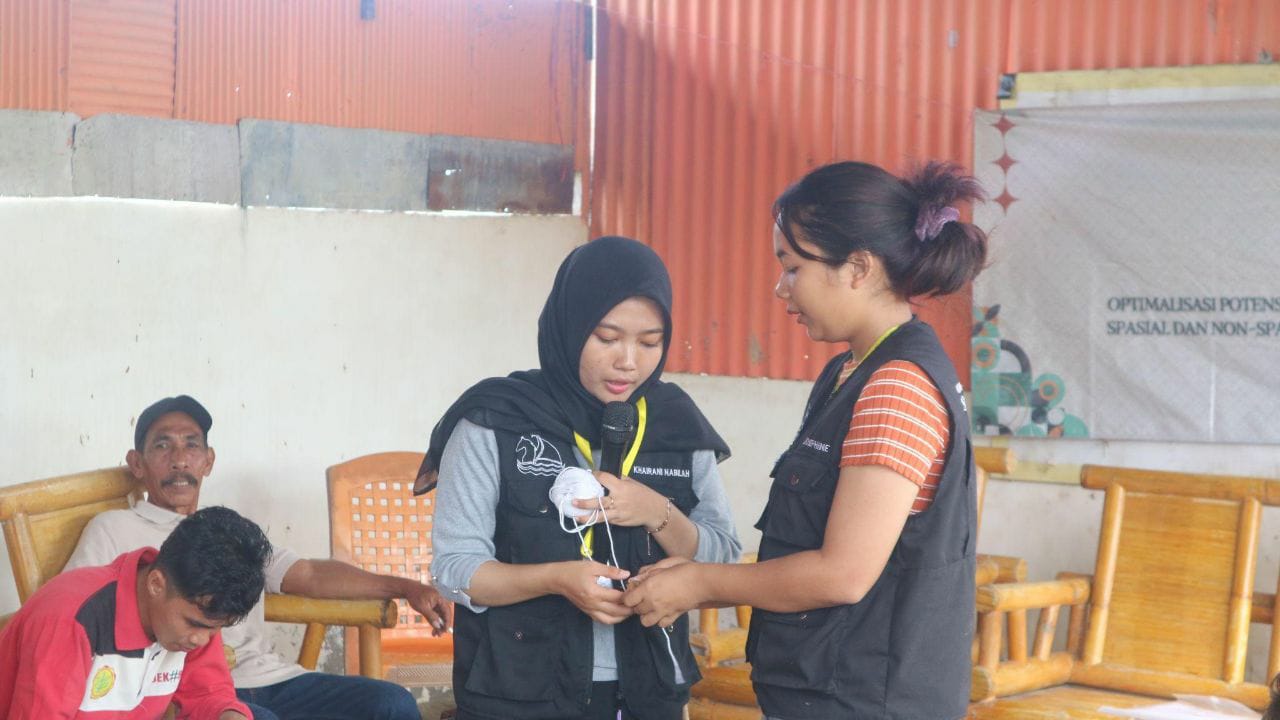
The program drew enthusiastic participation from the community, who gained a better understanding of agricultural innovation and optimal local resource utilization.
“We hope this initiative delivers tangible benefits, especially for farmers to increase their yields and strengthen local knowledge. We also wish for silica fertilizer production and coconut fiber product development to continue independently within the village,” Khairani added.
For the students, the KKN experience provided invaluable lessons—not only in transferring knowledge but also in learning about local wisdom, community solidarity, and the real-world challenges farmers face daily. With a spirit of collaboration and innovation, the Saga Mandar team is optimistic that agriculture and entrepreneurship in the region can grow sustainably and positively impact community welfare.
This KKN–PPM UGM Saga Mandar initiative contributes to achieving several Sustainable Development Goals (SDGs), including SDG 12: Responsible Consumption and Production, and SDG 13: Climate Action.
Author: Khairani Nabilah, Ghorizatu Shofra
Editor: Desi Utami
Documentation: KKN–PPM UGM Saga Mandar Team